Seven signs a tree is getting ready to fail
Most trees give warnings before they drop a limb or go over in a windstorm. Learn what our arborists look for on every property walk.
Cody Halvorsen, ISA Certified Arborist
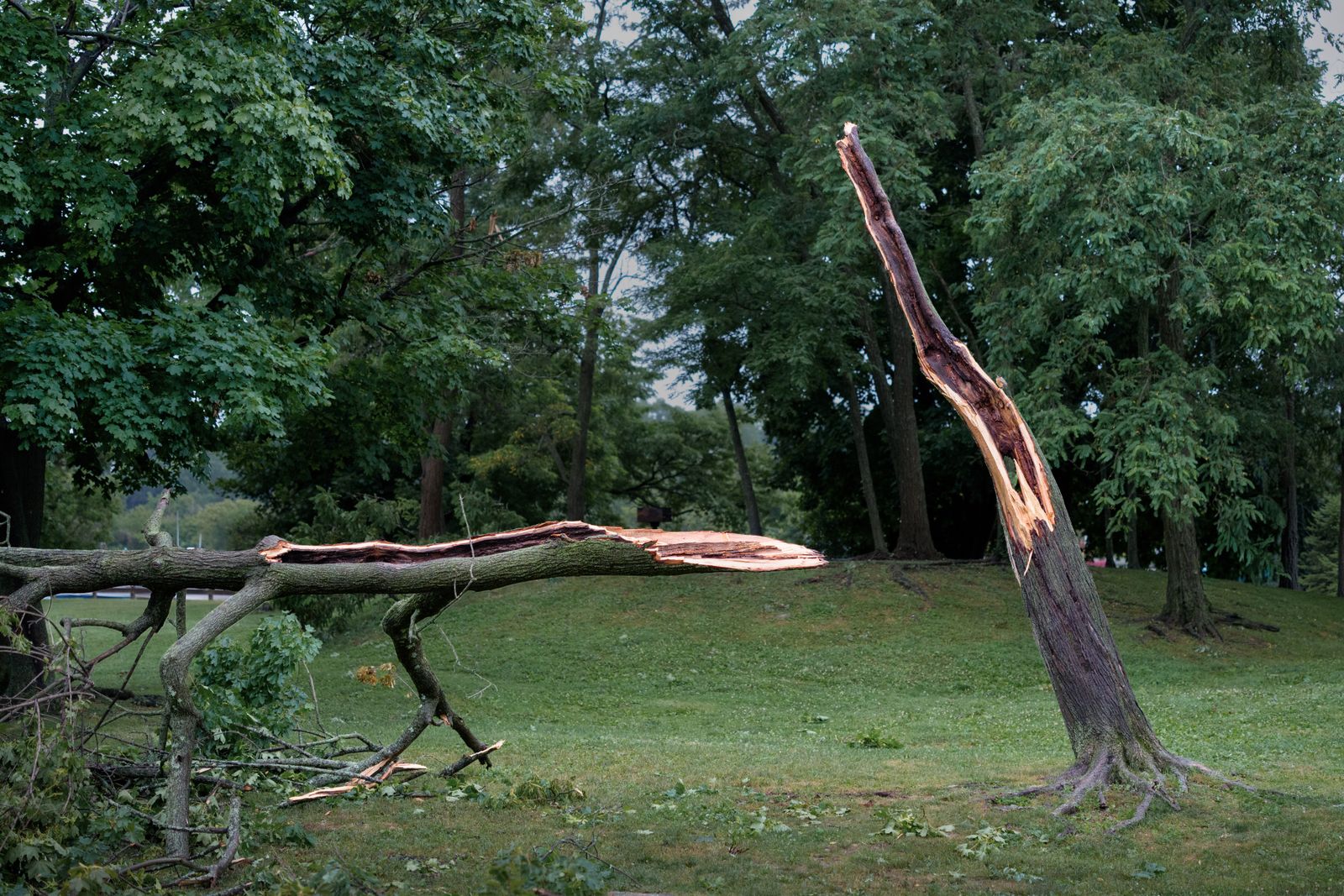
Trees rarely fail without warning
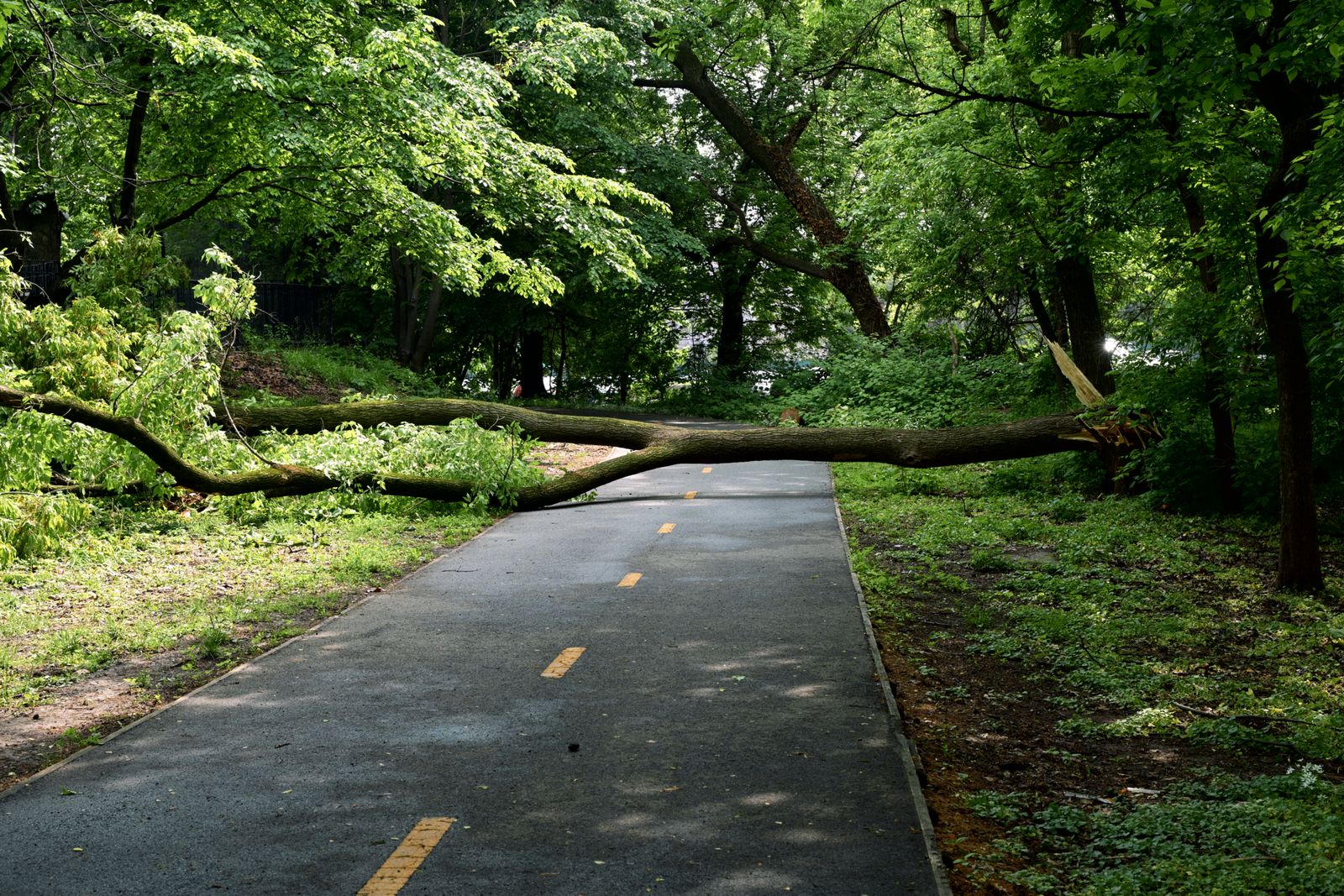
When a big tree comes down in a Portland windstorm, neighbors often say it happened out of nowhere. In our experience, that is almost never true. Most failures follow defects that were visible for months or years, if you knew where to look.
Below are the seven warning signs our arborists check first. If you see one of them on a tree that could reach your home, driveway or a play area, it is worth a professional assessment before the next storm season.
1. Mushrooms or conks at the base
Fungal fruiting bodies growing on the trunk or root flare usually mean decay is already underway inside. Some fungi, such as those that cause root and butt rot in Douglas fir, weaken the structural roots that anchor the tree.
A single mushroom in the lawn is not a concern. Shelf-like conks attached to wood are. Take a photo before they fall off, because identification helps the arborist judge how serious the decay is.
2. A new or changing lean
Many trees grow with a natural lean toward light, and that is fine. A lean that appears suddenly, especially after a storm, is very different. Look at the soil on the side opposite the lean. Cracked, mounded or lifted soil means roots are pulling out of the ground.
3. Cracks and splits
Vertical cracks in the trunk, or splits where two main stems meet, are among the most urgent defects. Co-dominant stems with bark trapped between them are especially prone to splitting under snow or ice load.
Some splits can be stabilized with cabling and bracing if they are caught early. Others make the tree too dangerous to keep.
4. Dead branches and hangers
Dead limbs are brittle and drop without warning, even on calm days. Hangers, which are broken branches caught in the canopy, are one of the most common causes of injury in tree work and in backyards.
- Dead limbs usually have no leaves or needles during the growing season.
- Bark on dead wood often peels or falls away in patches.
- Hangers can dislodge with the next gust. Keep people out of the drop zone.
5. Root damage from construction
Trenching for a sewer line, pouring a new driveway or regrading a yard can cut or suffocate roots. The tree may look fine for two or three years, then decline quickly. If you have had work done near a large tree, mention it during your assessment.
6. Thinning crown and early leaf drop
A canopy that lets through more sky each year signals stress. Western redcedar across the metro has shown dieback after recent hot, dry summers. Crown thinning alone does not mean a tree will fall, but combined with decay or root problems, it raises the risk.
7. Cavities and hollow sounds
Cavities, woodpecker activity and a hollow sound when the trunk is tapped all point to internal decay. Our arborists use a sounding mallet and, when needed, a resistance drill to measure how much sound wood remains.
When to check your trees
The best time for a walk-around is late summer or early fall, before the first big windstorm arrives. Leaves are still on deciduous trees, so thin or dead sections of the crown are easy to spot, and there is still time to schedule pruning before crews get busy with storm calls.
It also pays to take a second look after any major wind or ice event, even if nothing fell. Look for fresh cracks, hanging limbs and soil that has heaved at the base of the trunk.
What to do next
If you notice any of these signs, keep people and vehicles out from under the tree and book an assessment. Many problems can be managed with pruning, cabling or monitoring. When removal is the right call, we will explain why and show you the evidence.
Want a certified arborist to take a look?
Estimates are free, and you get a written, fixed price within 24 hours.