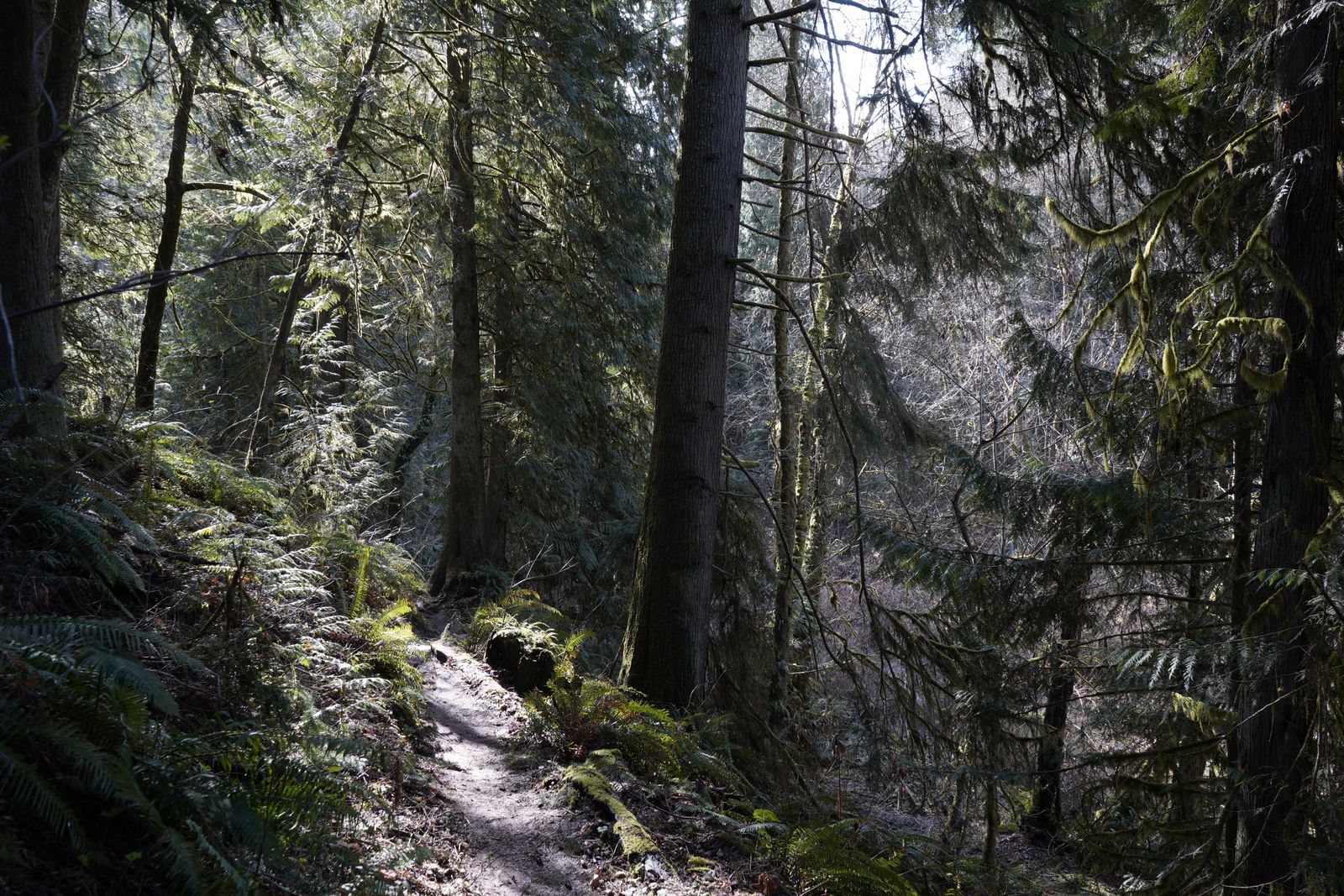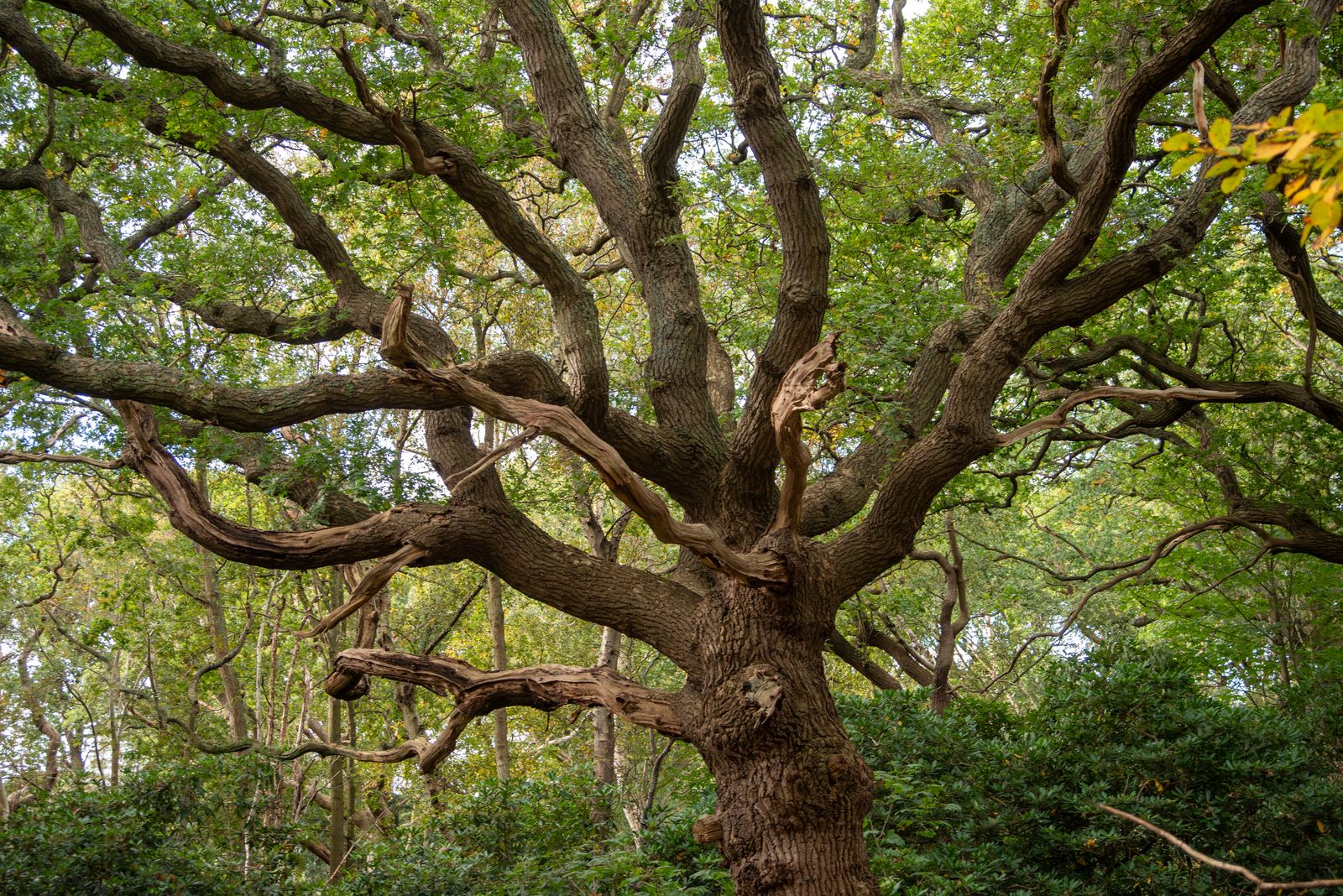
Keep the big tree. Support the weak union
Cabling and bracing systems add support to co-dominant stems and heavy limbs, so a valuable tree can stay safely in place.
How we handle cabling & bracing
Large oaks, maples and chestnuts often grow two or three competing leaders with bark trapped in between. That V-shaped union is a common failure point in wind and snow. A properly installed cable system limits movement and shares the load between stems.
We install dynamic synthetic systems for most trees, which allow natural sway while catching extreme loads, and steel cable and through-rod bracing where a crack already exists. Every system is tagged, logged and scheduled for inspection.
What's included
Every cabling & bracing job includes the following as standard. No add-on fees for cleanup or haul-away unless listed as optional.
- Structural assessment of unions and limbs
- Dynamic or static cable installation
- Through-rod bracing for split unions
- Complementary reduction pruning
- Installation tag and written record
- Inspection reminder every 2 years
The process
What happens from the first site visit to the final walk-around, in order.
- 1
Assess
Check union type, cracks, decay and limb weight.
- 2
Design the system
Pick hardware and anchor heights to ANSI A300 Part 3.
- 3
Install
Climbers set anchors about two-thirds up the stems and tension the cable.
- 4
Inspect
We log the system and check it on a regular schedule.
Why homeowners pick Timberline
Saves heritage trees
Keep mature shade trees that took 80 years to grow.
Lower failure risk
Cables share load across weak co-dominant stems.
Cheaper than removal
Usually a fraction of the cost of removing a large tree.
Logged and tracked
Every system is tagged and put on an inspection schedule.
They wrote the arborist letter our HOA asked for and explained every finding in plain English. No pressure to remove anything.
What affects the price
Starting at $450. These are the factors our arborist measures before writing your fixed quote.
Prices shown are sample figures for typical 2026 residential jobs in the Portland metro.
- Number of cables
- Three-stem trees may need a triangular system.
- Hardware type
- Steel with through-bolts costs more than dynamic synthetic.
- Tree height
- Taller installs need more climbing and rigging time.
- Pruning needed
- Reducing end weight is often done at the same visit.
Related services
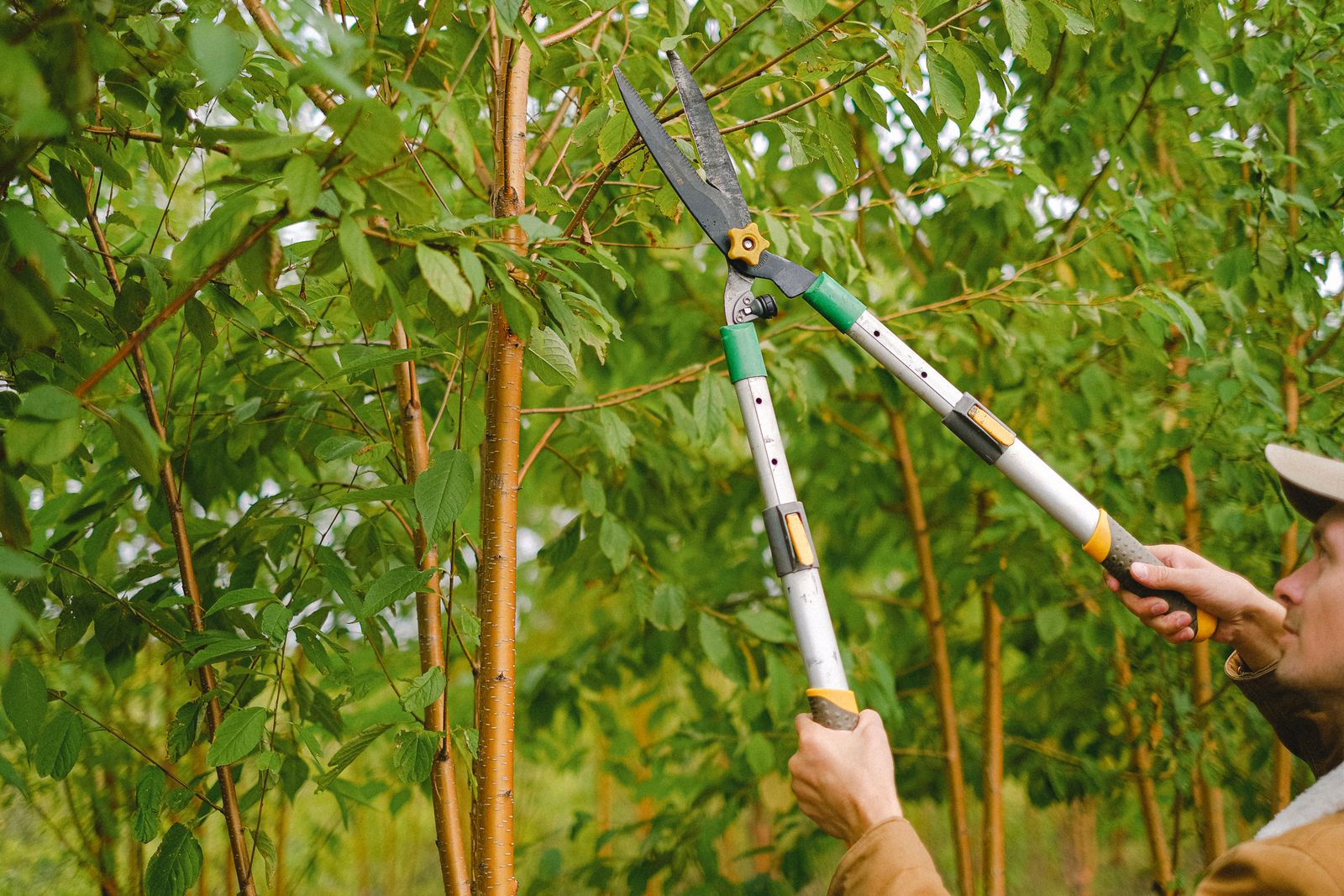
Trimming & Pruning
Crown thinning, raising, reduction and deadwood removal to ANSI A300 standards.
From $350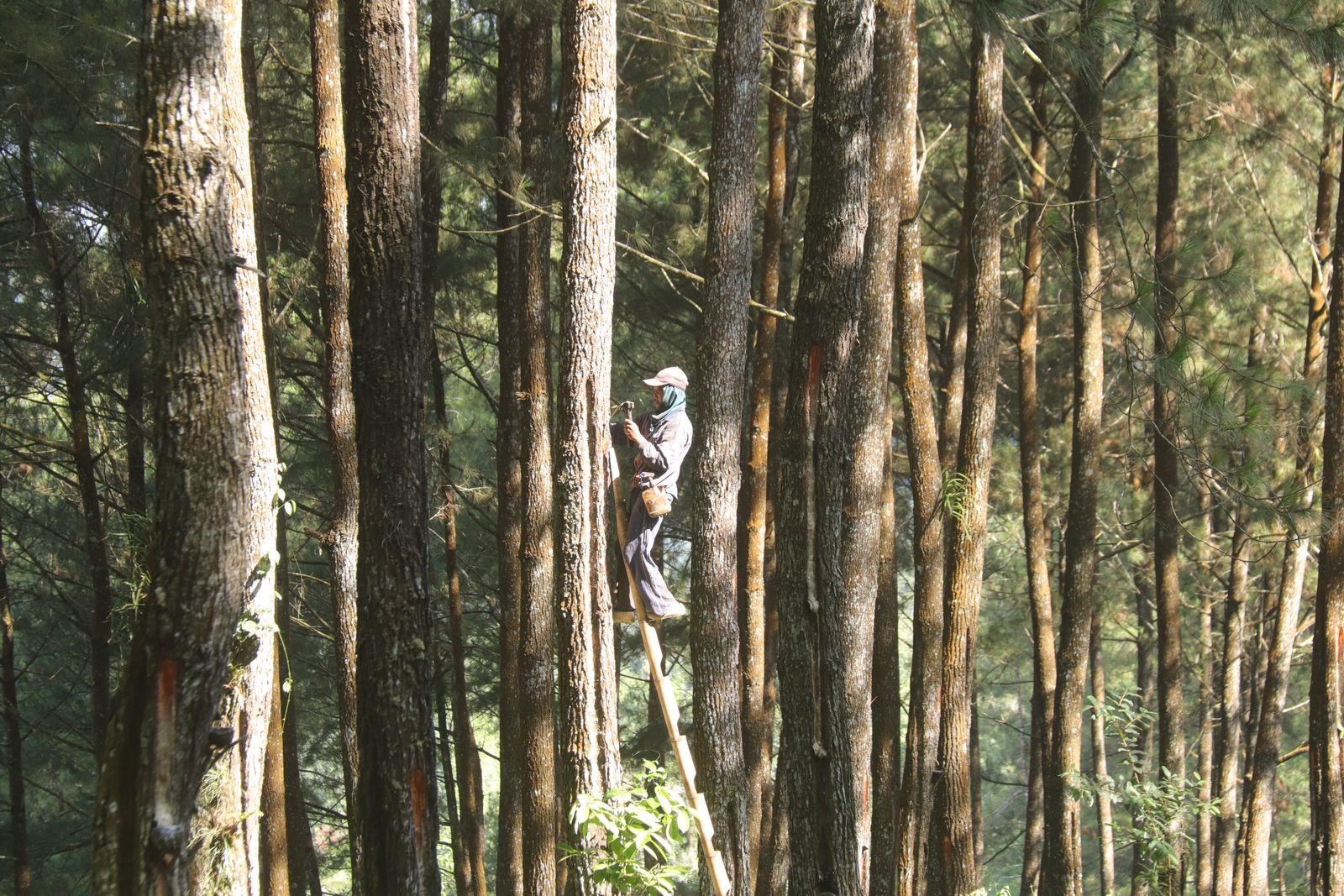
Arborist Assessment
ISA TRAQ risk reports, permit letters, construction plans and appraisals.
From $225
Plant Health Care
Soil care, deep-root feeding, pest and disease programs for stressed trees.
From $145 per visit
Cabling & Bracing FAQ
Questions we hear on almost every estimate visit.
Dynamic systems use no drilling at all. Steel systems use small, correctly placed bolts the tree compartmentalizes well.
Synthetic systems are typically rated for 8 to 10 years, steel systems longer. Both need regular inspections.
Sometimes. Through-rod bracing can stabilize a recent split, but badly decayed unions may need removal.