Pruning or removal? How our arborists make the call
The right answer is not always the bigger job. Here is the framework we use to recommend saving, supporting or removing a tree.
Wren Castellano, ISA Board Certified Master Arborist
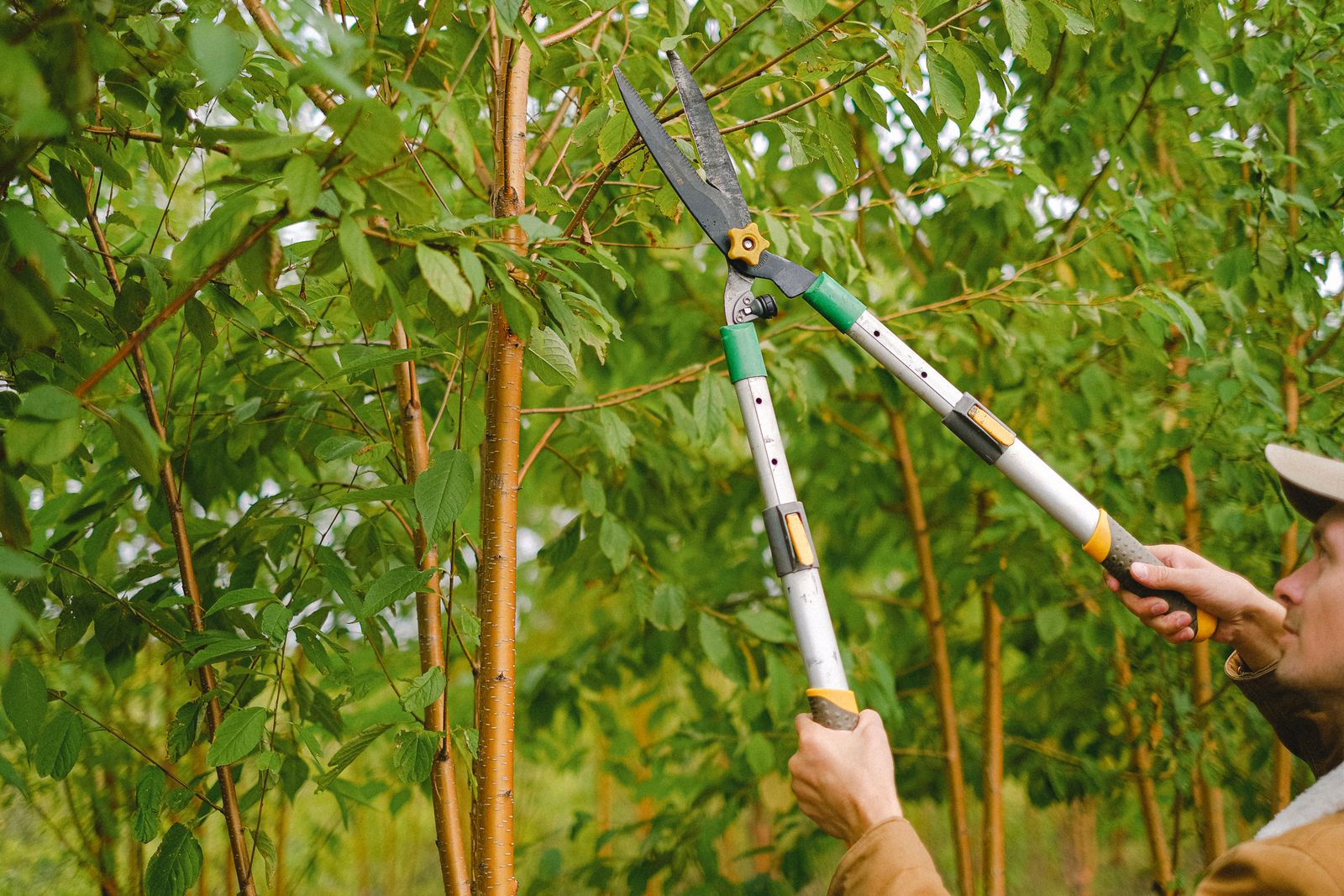
Every tree gets the same questions
Homeowners often call us already convinced a tree has to go. Sometimes they are right. Often, careful pruning, a cable system or simply monitoring will keep a valuable tree safe for years. Our arborists work through the same framework on every property so the recommendation is consistent and explainable.
What could it hit?
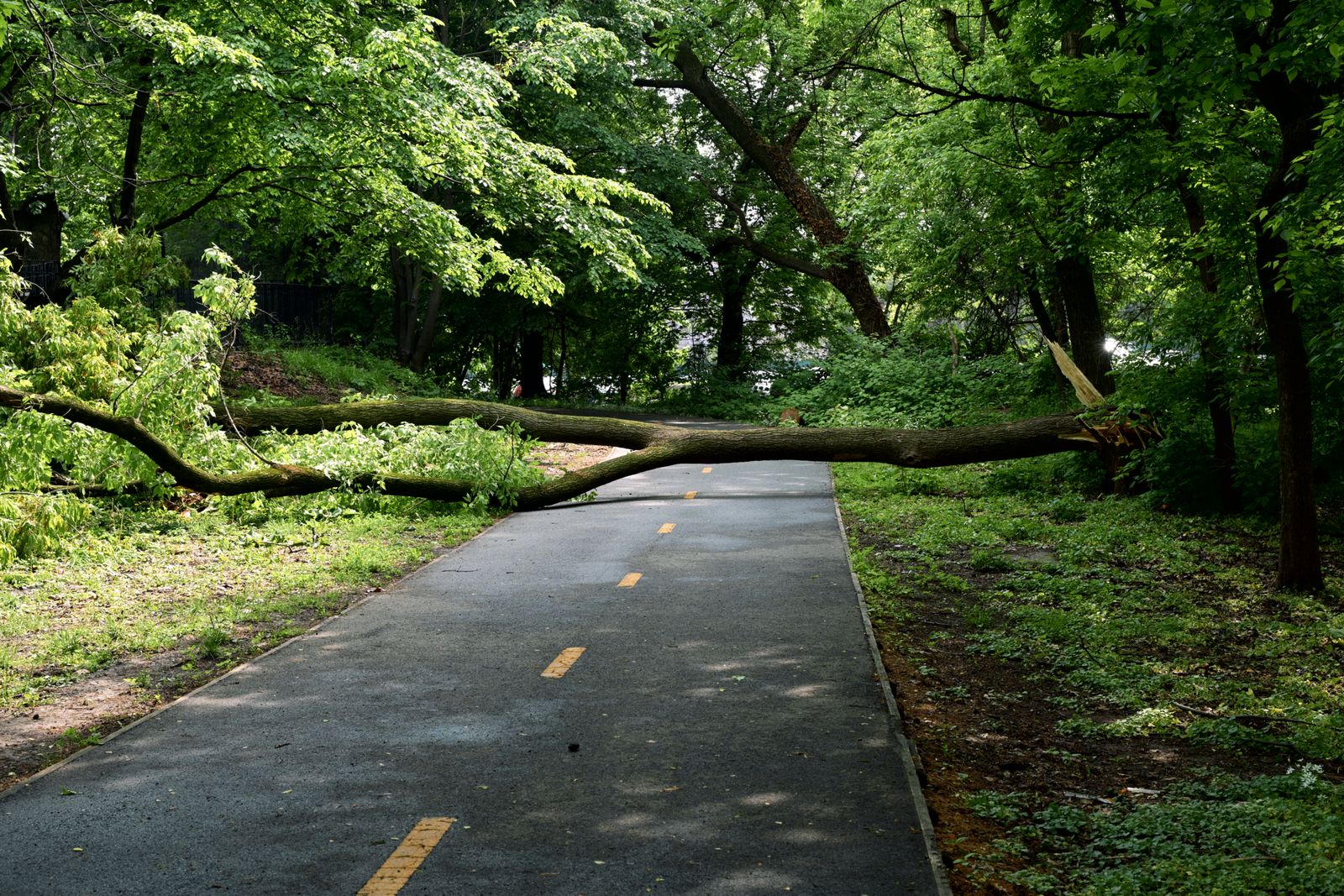
Risk is not just about how likely a tree is to fail. It is also about what it would hit. A decaying alder at the back of a two-acre lot and the same tree leaning over a nursery window are very different situations.
We map targets for every tree: the house, garage, driveway, play areas, neighbor structures and power lines. A tree with low likelihood of failure but a high-value target may still need action.
How sound is the structure?
Next, we look at the tree's architecture and wood. Is there one dominant trunk or several competing stems? Are there cracks, cavities or included bark? How much sound wood remains in the trunk and root collar?
- Minor defects are usually addressed with pruning.
- Weak unions with sound wood are good candidates for cabling and bracing.
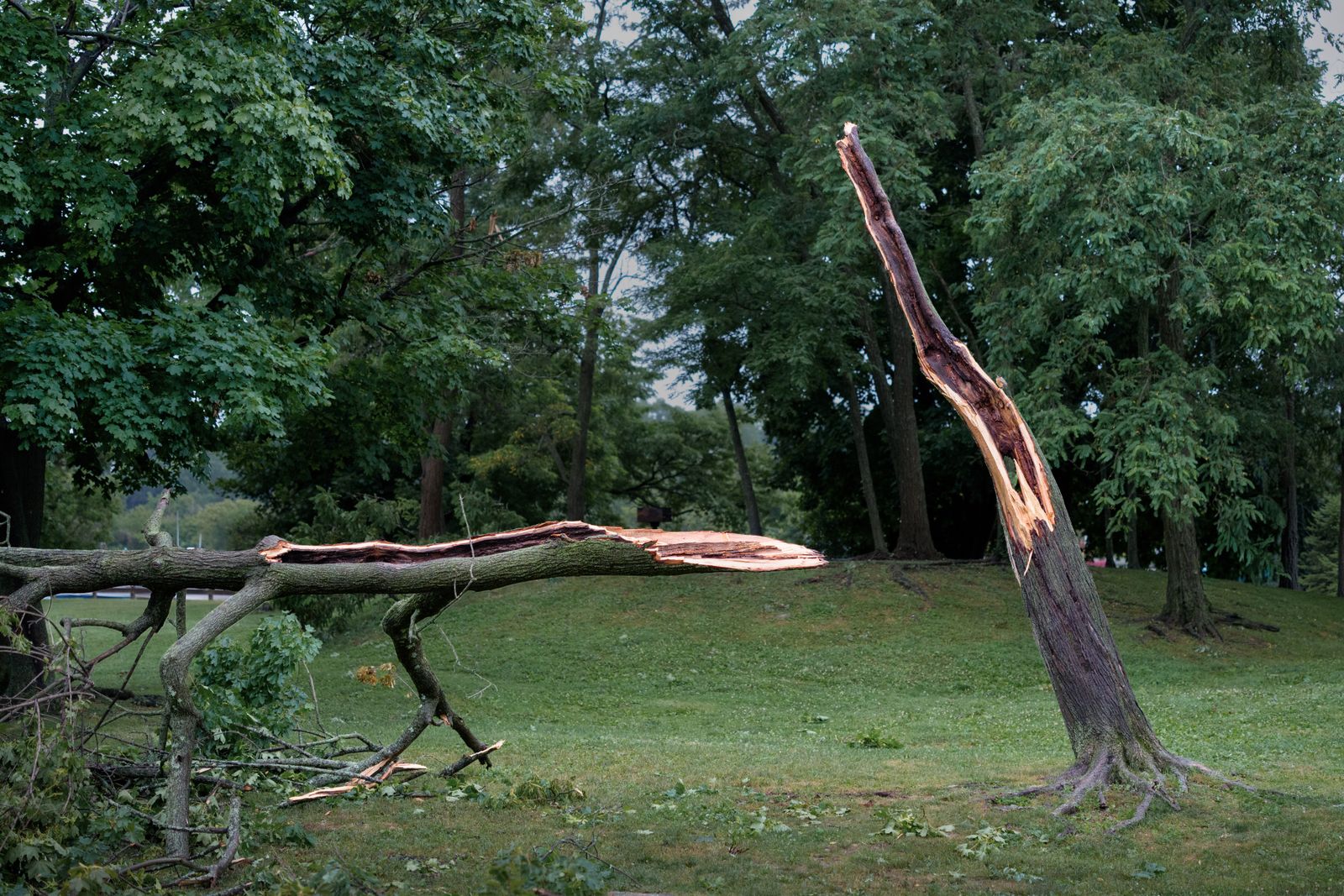
- Advanced decay in the trunk or roots usually points to removal.
Is the tree healthy enough to respond?
Pruning and cabling only help if the tree can grow new wood and close wounds. A vigorous maple will respond well to reduction cuts. A tree in steep decline may not. We look at twig growth, leaf color and crown density, and sometimes recommend a season of plant health care before any major pruning.
What do you want from the property?
Your goals matter. You may want more light for a vegetable garden, a clearer view of Mt. Hood, room for an ADU, or simply shade on the west side of the house. Sometimes the right answer is to remove one tree so the neighboring tree can grow a fuller canopy.
We also consider replacement. A young tree planted in the right spot often delivers more long-term value than keeping a struggling one in the wrong spot.
Three real examples from this year
A 70-year-old bigleaf maple in Sellwood had two large stems with bark trapped between them and a small crack starting at the union. The wood tested sound and the canopy was vigorous, so we reduced end weight on both stems and installed a dynamic cable system. The tree stays, and we will inspect it again in two years.
A Douglas fir in Beaverton looked healthy from the street, but conks at the base and a resistance drill reading showed advanced root and butt rot on the side facing the house. With a bedroom well inside the fall zone, removal was the only responsible recommendation, and the homeowner planted a vine maple in a safer spot.
In Tigard, a family wanted three firs removed to open a view. After walking the lot together, we removed one, thinned the other two and raised their crowns. They got the view, kept the privacy screen and spent less than half of the original removal estimate.
Questions to ask any tree company
Whether you hire us or someone else, a few questions quickly reveal how a recommendation was made. Good arborists answer them without hesitation.
- What specific defect are you concerned about, and can you show me?
- Is there an option to keep the tree, and what would it cost?
- Will the pruning follow ANSI A300 standards, with no topping?
- Is the person making the recommendation an ISA Certified Arborist?
Putting it together
After working through these questions, you get clear options in writing: what we recommend first, what the alternatives are and what each costs. If you choose to keep a tree with known defects, we set up a re-inspection schedule so nothing is left to chance.
Our assessment fees are separate from tree work, so there is no incentive to recommend a removal that is not needed. That is how we would want our own trees handled.
Want a certified arborist to take a look?
Estimates are free, and you get a written, fixed price within 24 hours.