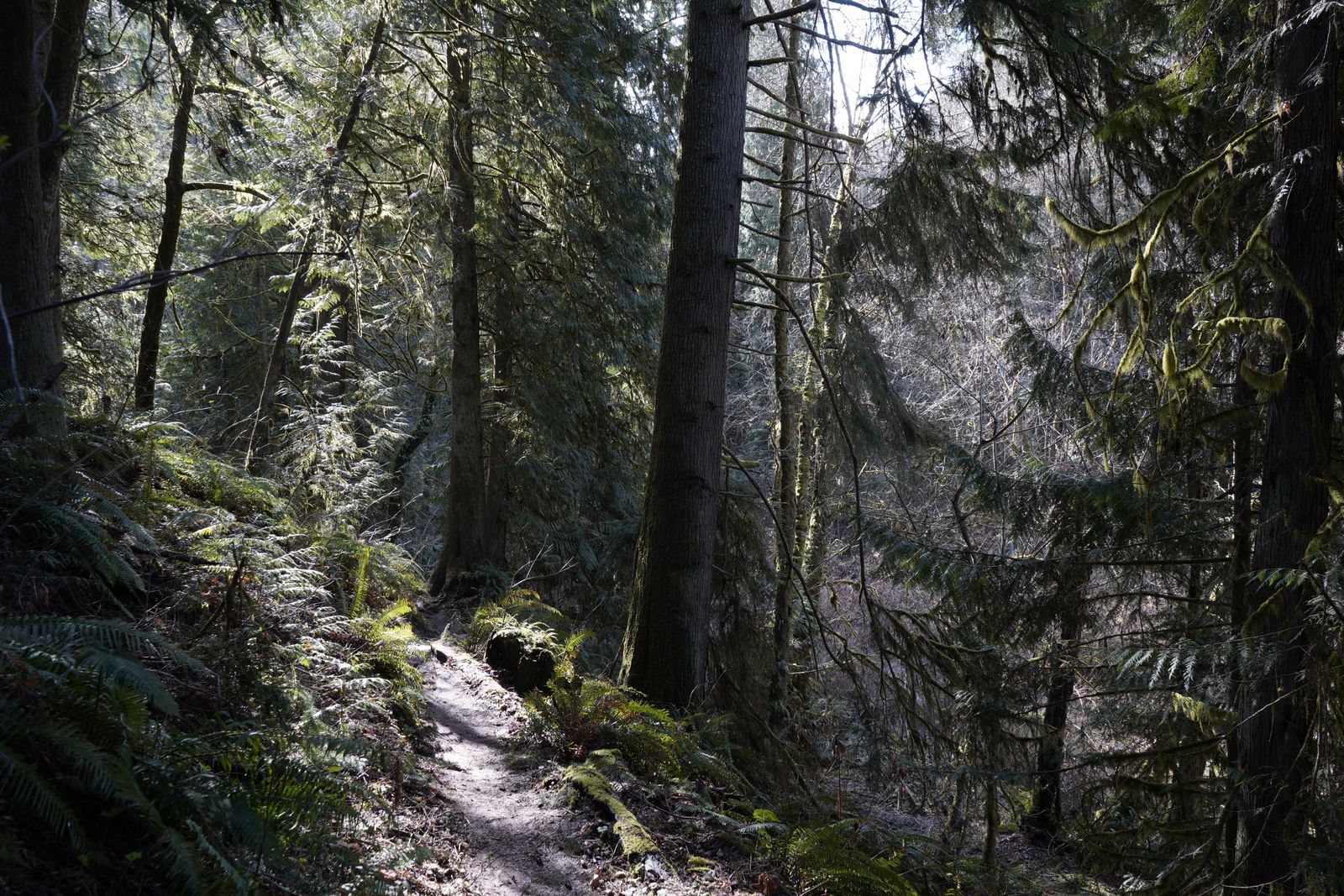
Pruning that makes trees stronger, not just smaller
We prune to ANSI A300 standards: targeted cuts that reduce wind load, clear roofs and lines, and keep your trees healthy for decades.
How we handle trimming & pruning
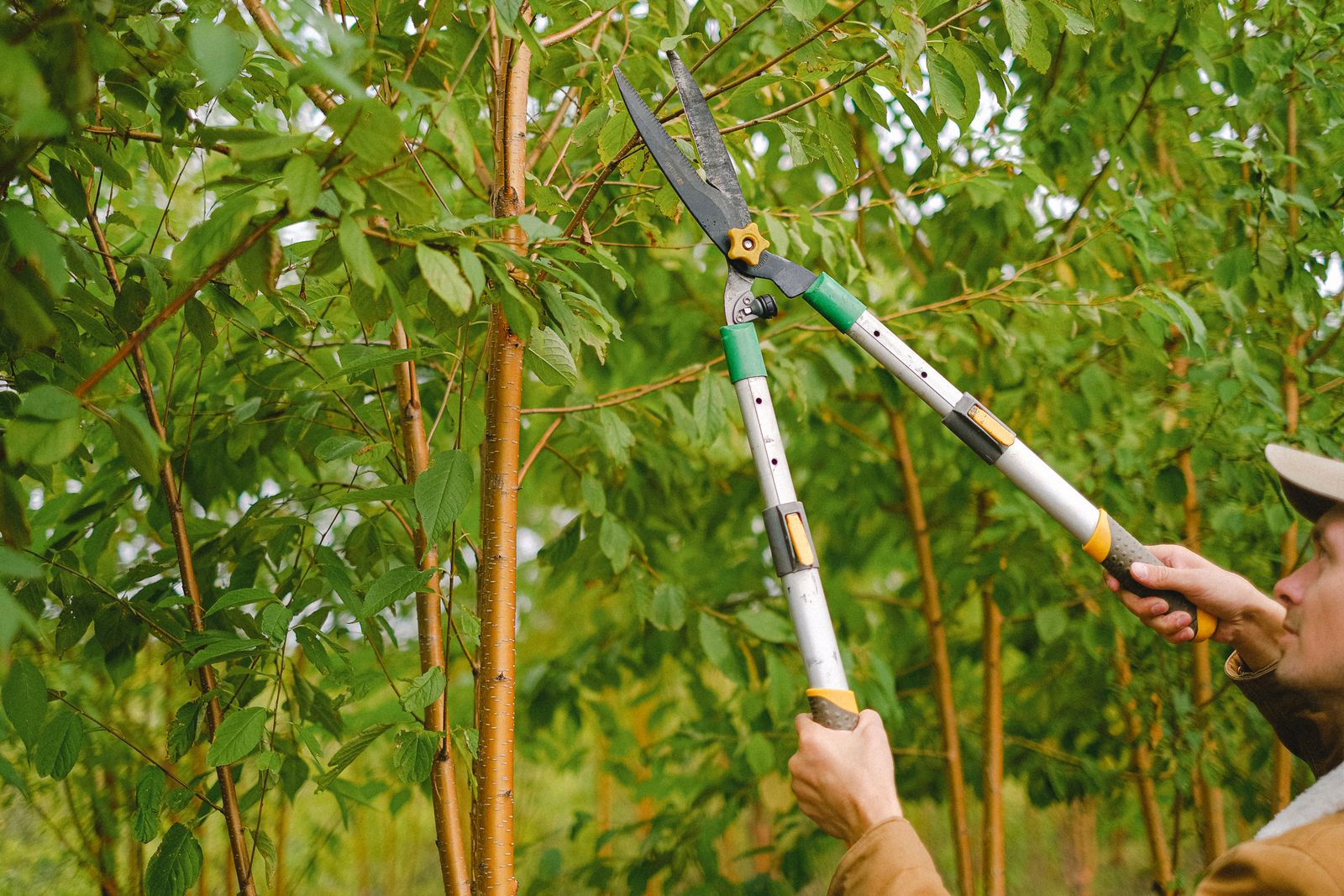
Bad pruning is easy to spot: topped maples, lion-tailed oaks and stubs that rot back into the trunk. Our climbers make proper collar cuts, remove no more than a quarter of live canopy in a season, and focus on the limbs that actually matter for safety and structure.
Typical Portland work includes raising firs off roofs and gutters, thinning big maples before winter storms, clearing branches from service drops, and structural pruning on young street trees so they grow into a sound shape. No spikes are ever used on trees we are keeping.
What's included
Every trimming & pruning job includes the following as standard. No add-on fees for cleanup or haul-away unless listed as optional.
- Deadwood, hangers and broken limbs removed
- Crown thinning to reduce wind sail
- Clearance from roofs, chimneys and driveways
- Structural pruning of young trees
- Spikeless climbing on all retained trees
- Brush chipped and site cleaned
The process
What happens from the first site visit to the final walk-around, in order.
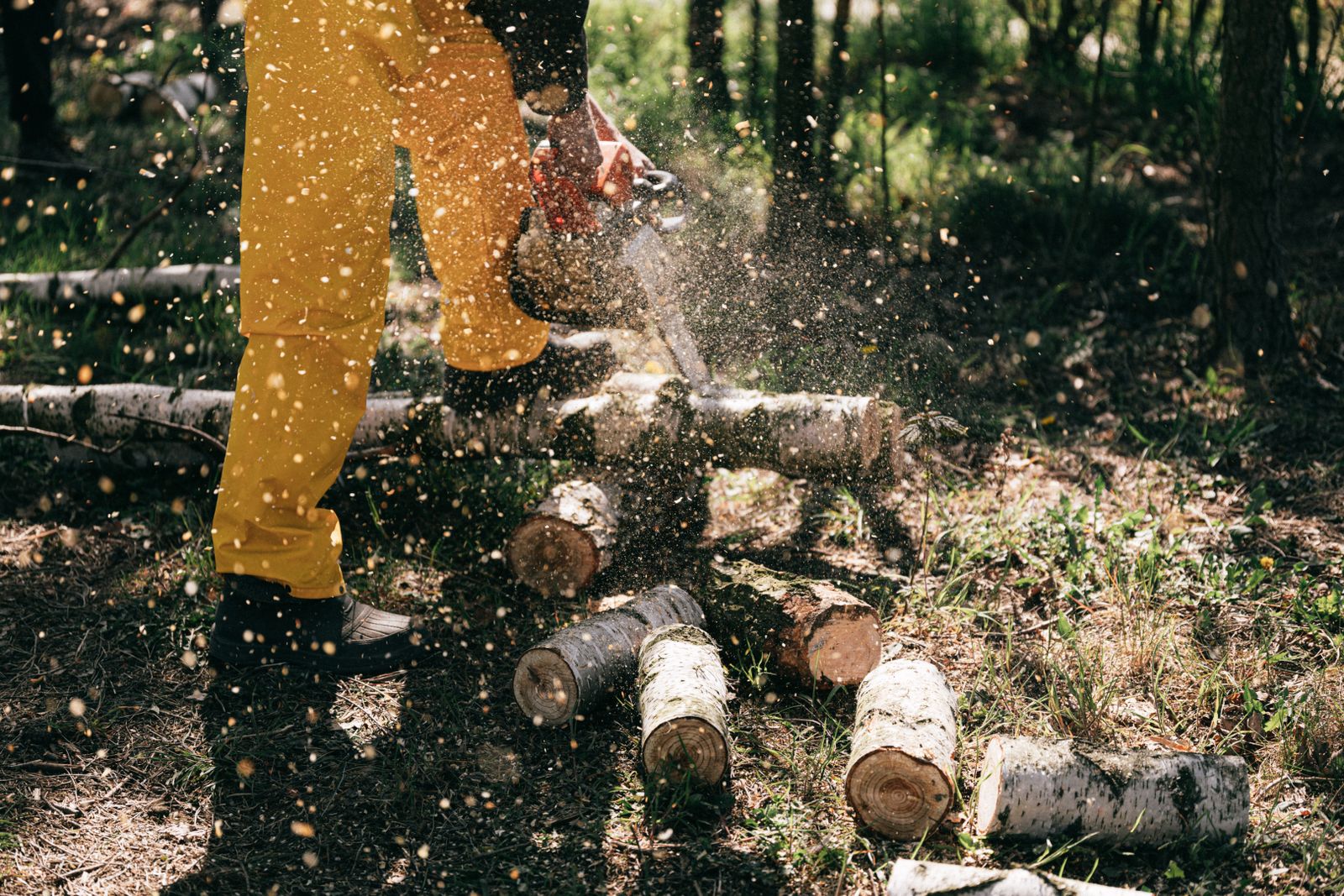
- 1
Set objectives
We agree on clear goals: roof clearance, light, storm prep or structure.
- 2
Mark the cuts
The arborist identifies limbs to remove and explains why each one matters.
- 3
Climb and prune
Spikeless climbers make clean collar cuts and lower larger limbs on ropes.
- 4
Review with you
We walk the result with you before the chipper starts up.
Why homeowners pick Timberline
A300 standards
Industry pruning standards, not guesswork or topping.
Storm-ready canopy
Thinned crowns shed wind instead of catching it.
No climbing spikes
Spikes wound living trees. We never use them on keepers.
More light
Selective thinning brings sun back to lawns and gardens.
We got our mountain view back and the firs still look natural. No topping, no stubs, just careful thinning.
What affects the price
Starting at $350. These are the factors our arborist measures before writing your fixed quote.
Prices shown are sample figures for typical 2026 residential jobs in the Portland metro.
- Number and size of trees
- Multi-tree visits are priced per crew day, often cheaper per tree.
- Type of pruning
- Deadwooding is quicker than detailed structural or reduction work.
- Access and rigging needs
- Limbs over roofs need lowering lines and more ground crew.
- Brush volume
- Large thinning jobs create more chips to haul or leave as mulch.
Related services
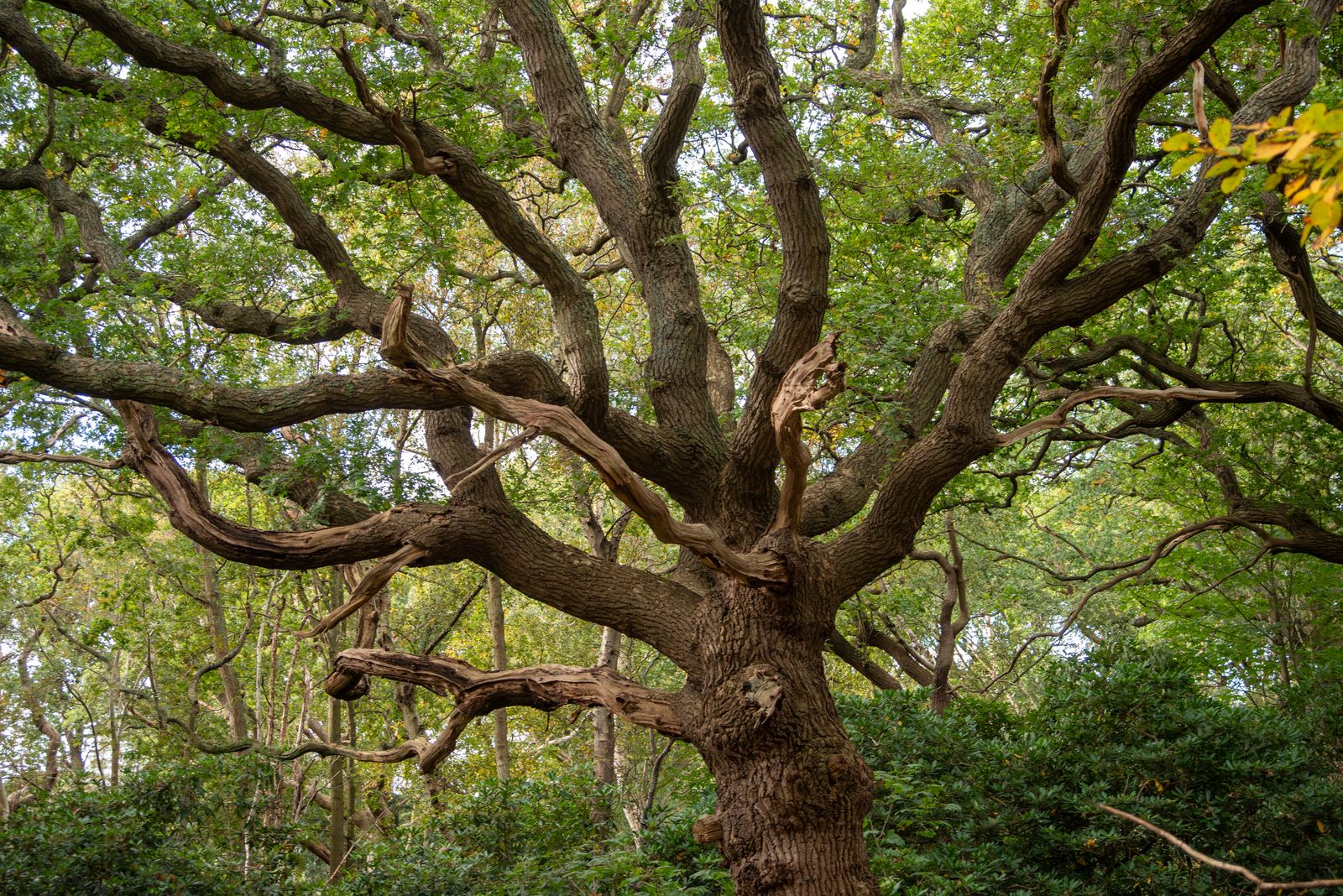
Cabling & Bracing
Dynamic and steel cable systems plus through-bolts for split and heavy limbs.
From $450
Plant Health Care
Soil care, deep-root feeding, pest and disease programs for stressed trees.
From $145 per visit
Tree Removal
Sectional takedowns, crane picks and rigging over roofs, fences and power drops.
From $650
Trimming & Pruning FAQ
Questions we hear on almost every estimate visit.
Late fall through winter dormancy suits most deciduous trees. Deadwood and hazard limbs can be removed any time. Some species, like birch and maple, bleed sap in late winter but are not harmed.
No. Topping creates weak, fast-growing sprouts and decay. We use crown reduction cuts to lower height properly when it is needed.
Mature trees typically every three to five years. Young trees benefit from structural pruning every two to three years.